



 Cram in pleasure
at MIYAKO
 MOVIE
MOVIE

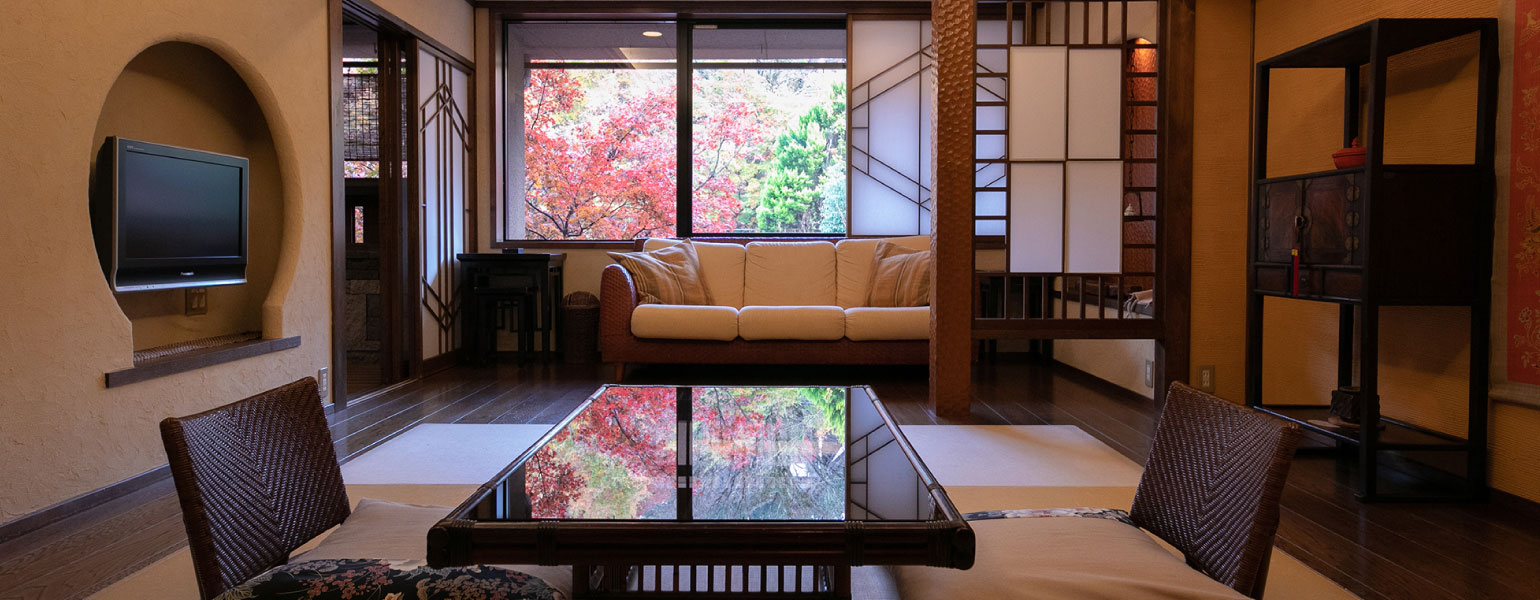
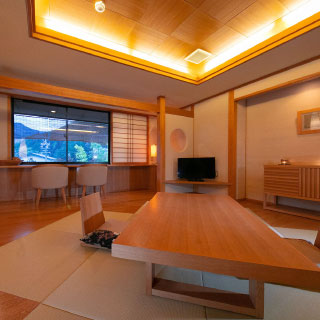
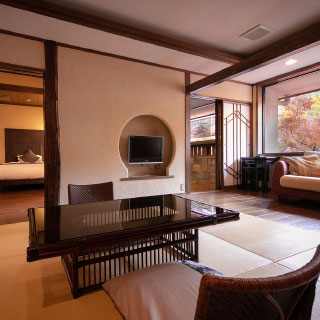
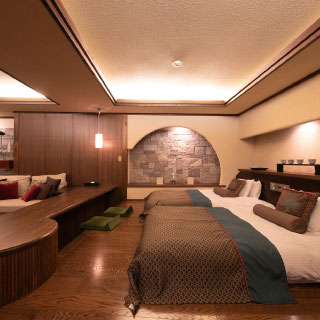
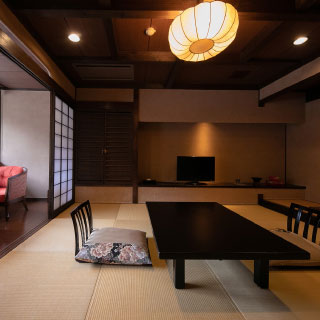
We’re a resort hideaway with only 19 guestrooms located at the higher ground of Gero Onsen.
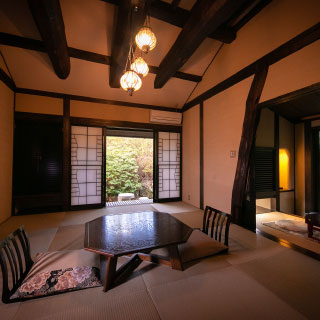
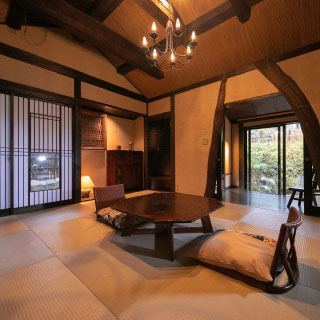
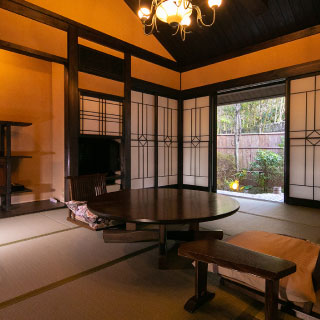
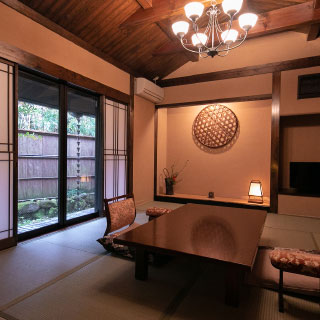
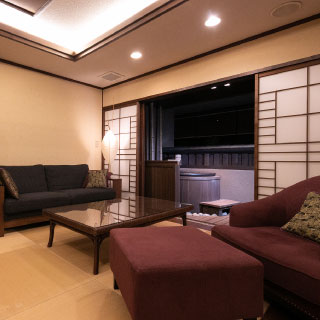
Cram in pleasure with us at our villas with private hot springs.
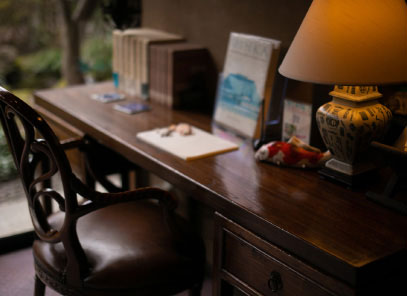
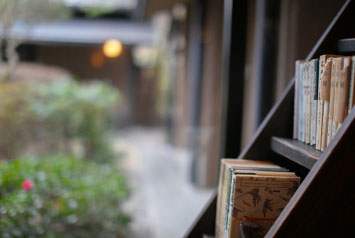
A “retreat resort” surrounded by nature for you to
stay away from hurly-burly
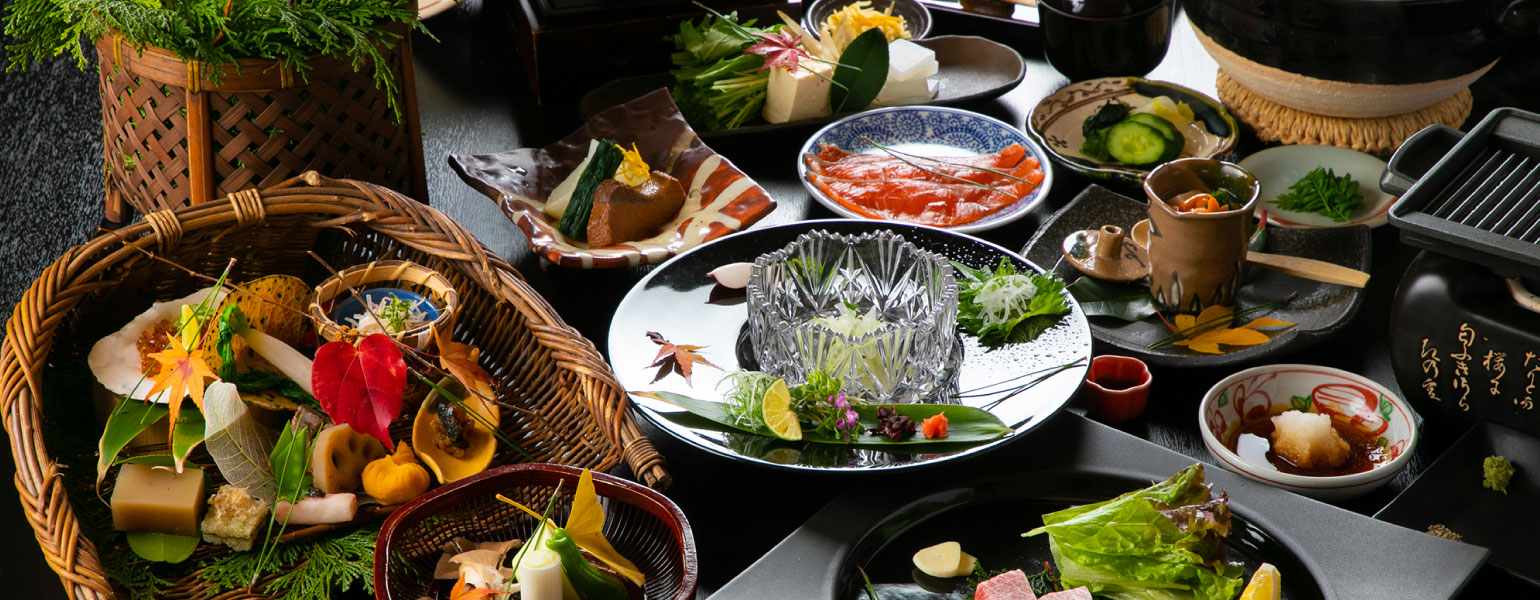
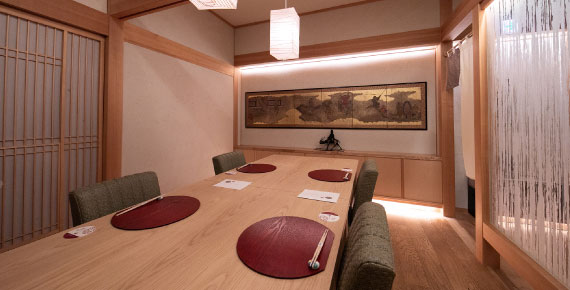
A gorgeous space with a fabulous arrow of feast
Kaiseki Japanese course meal with local specialty you can only find in Hida.
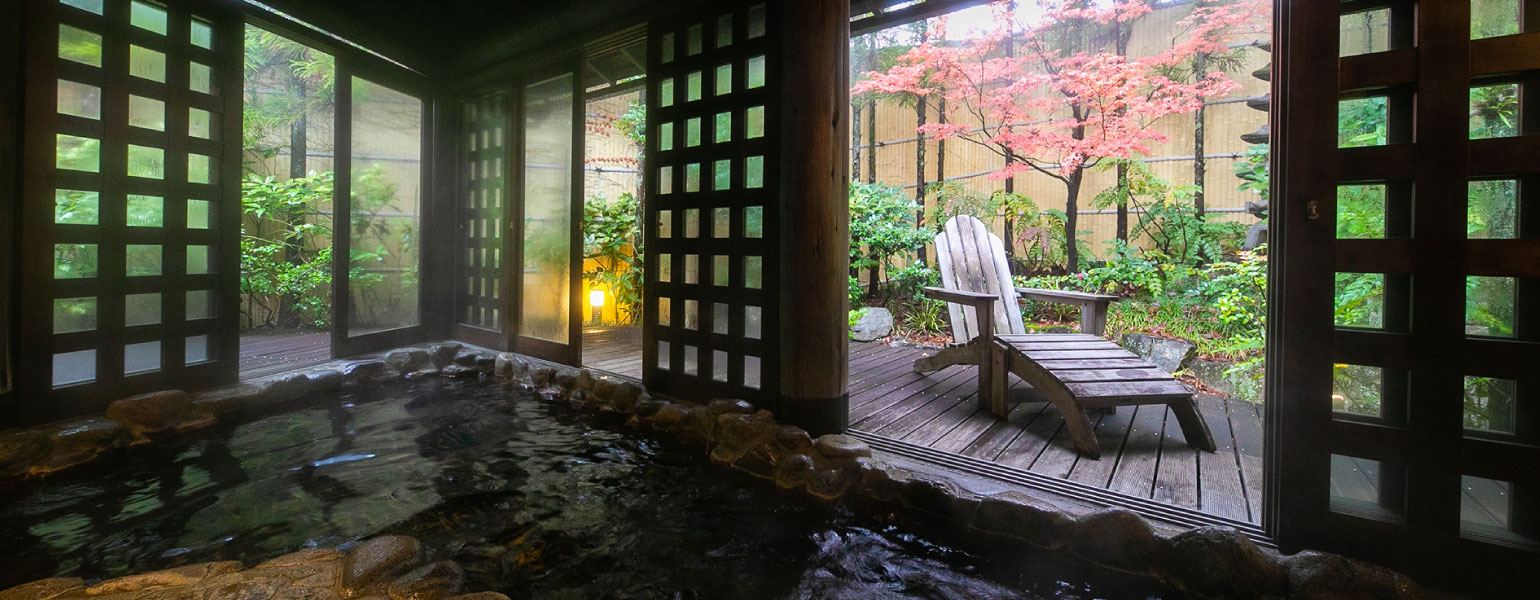
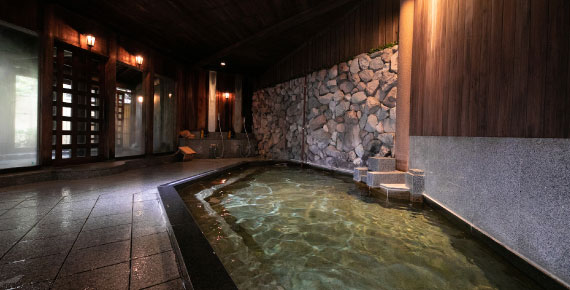
Soak in our relaxing hot springs and gaze the glittering expanse of nature
To be laid back at our public bath with open air areas
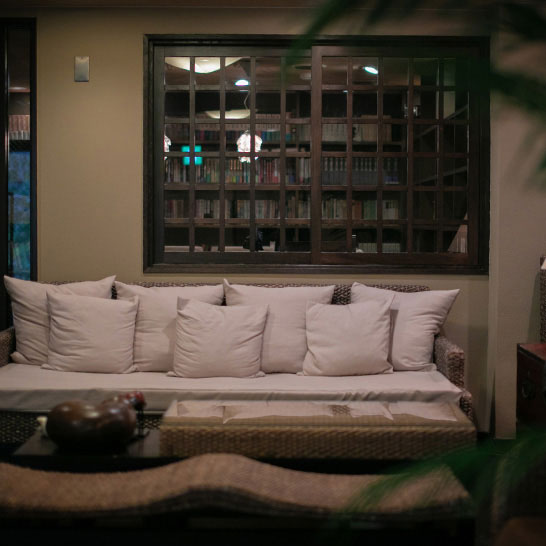
A resort hideaway
With everything in peace
Embraced by nature, take on the styles of the seasons.
Soothing your body and soul…
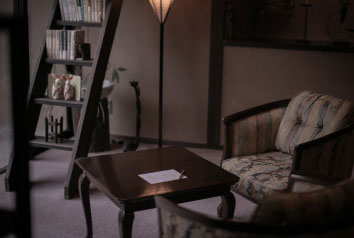
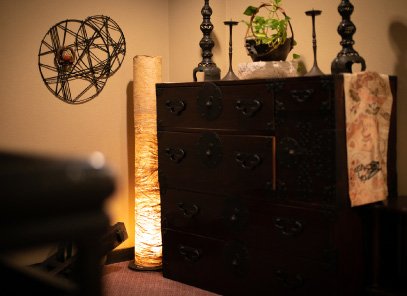
Located right below the “Gero Onsen Gassho-Mura” village a little away from the Gero hot spring town. We are pleased to recommend different styles of indulgence
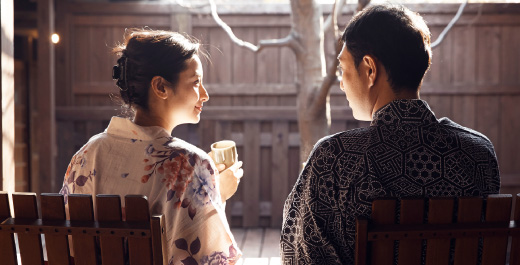
Full enjoy a stroll at Gero Hot Spring Town and weave a visit to the Gassho Village. Discover unparalleled experiences with your beloved one at Gero Onsen and Shirakawa Village, all starting from your stay at Miyako.
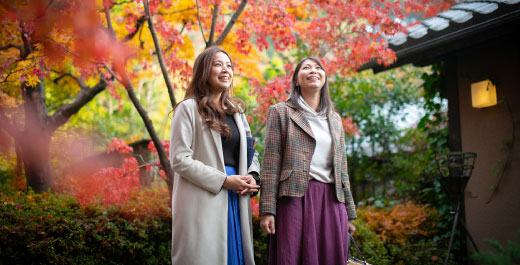
Get set to experience the best of Hide Takayama, Gero Onsen, and Gifu. Your exciting options are endless at Miyako resort.

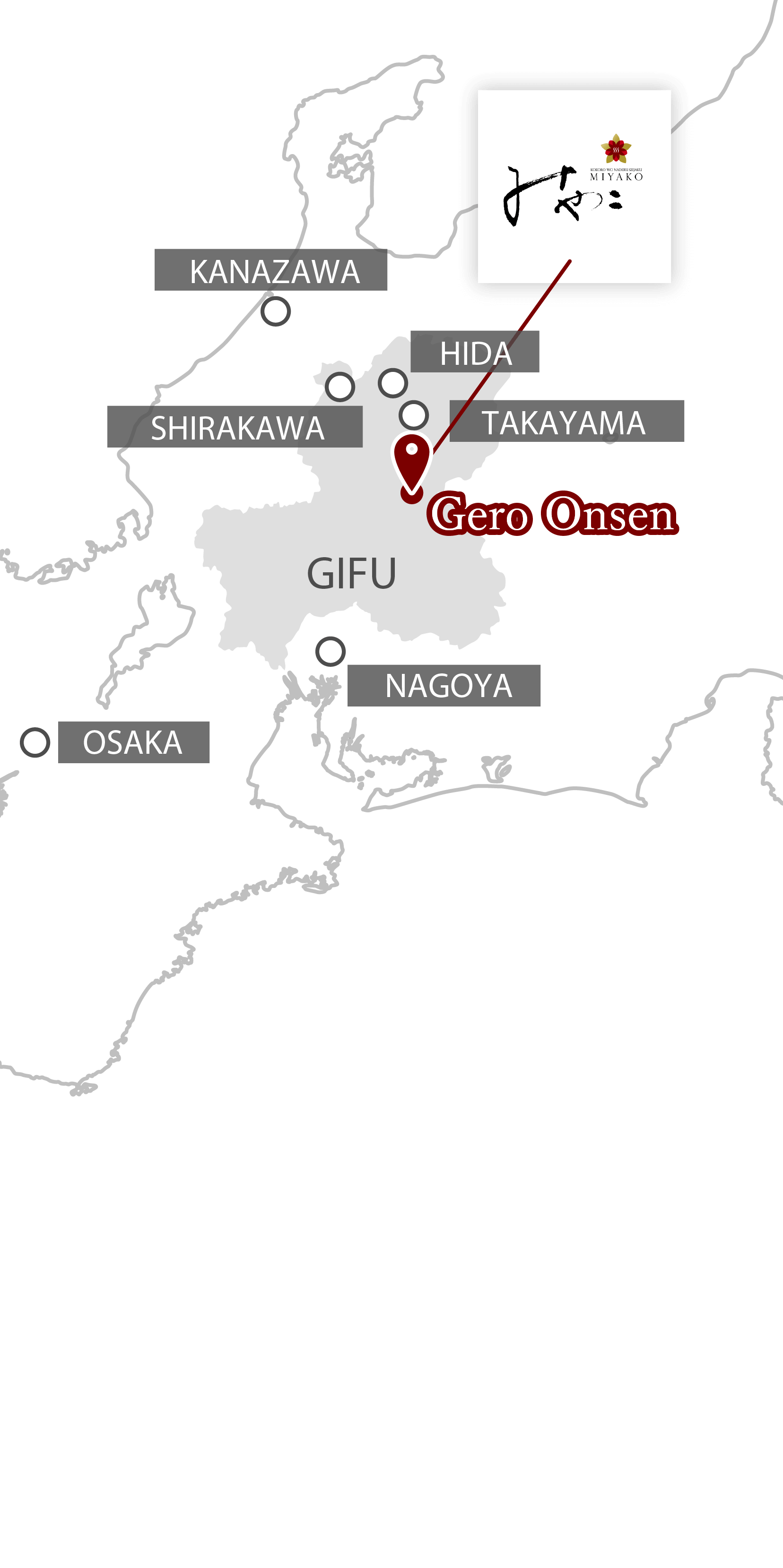
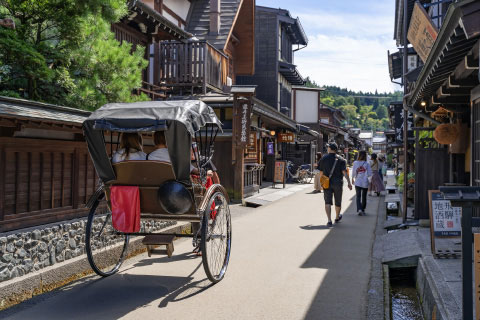
Approx. 1 hour drive to HIDA TAKAYAMA
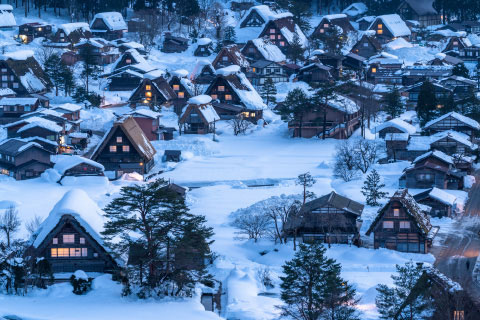
Approx. 1 hour 45-minute drive to Shirakawa Village
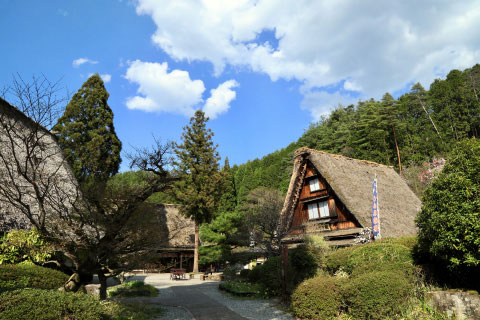
Approx. 6-minute walk to Gero Onsen Gassho-Mura
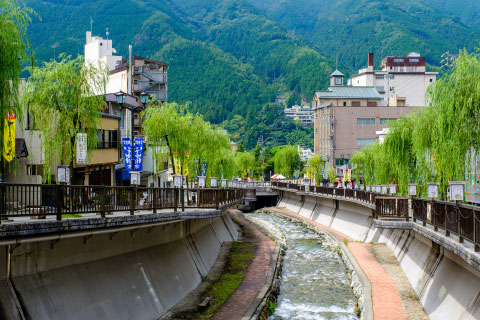
Approx. 6-minute walk to Gero Hot Spring Town
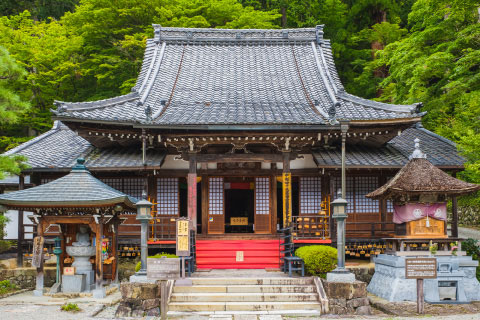
Approx. 5-minute drive to Onsenji Temple
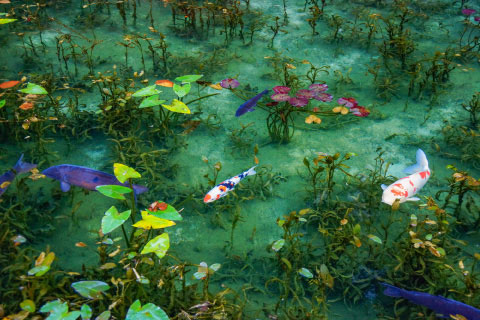
Approx. 1 hour 20-minute drive to Monet’s Pond
 FROM TOKYO
Approx. 4 hours 17-minute drive
from Tokyo
FROM NAGOYAApprox. 1 hours 53-minute drive
from Nagoya
FROM OSAKAApprox. 3 hours 32-minute drive
from Osaka



 +81-576-25-3181